
Caregiver Burnout is Real
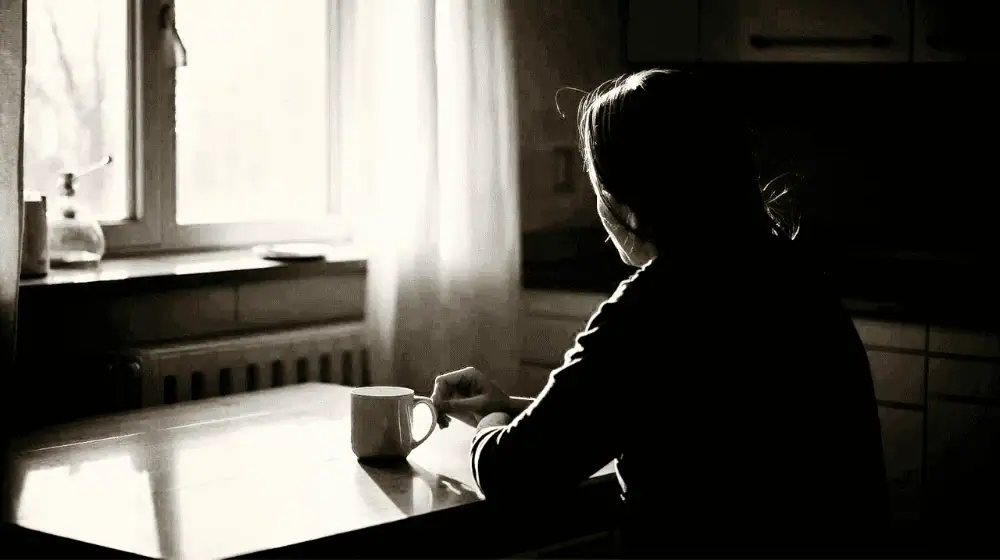
Most family caregivers don’t see it coming.
They step in to help because it’s the right thing to do. They manage medications, appointments, personal care, and emotional support while also holding down jobs, raising children, and maintaining their own relationships. They tell themselves they’re fine. And then, one day, they are clearly not fine.
Caregiver burnout is not a character flaw. It is not a sign that someone doesn’t love the person they’re caring for. It is what happens when one person carries the workload of an entire care team for too long without adequate support.
This post is for those people and for the families who are starting to wonder whether they need more help than they’re willing to admit.
What Caregiver Burnout Actually Looks Like
Burnout doesn’t always look like a breakdown. More often, it builds slowly and shows up in quieter ways:
- Constant exhaustion that sleep doesn’t fix.
- Feeling resentful toward the person being cared for, other family members, and the situation.
- Withdrawing from friends, activities, or things that used to bring relief.
- Neglecting your own health because there’s no time or energy.
- Feeling like you have no choice but to keep going, no matter what.
If this sounds familiar, it’s worth naming it clearly: you are burned out, and that is a signal worth listening to.
Why Family Caregivers Wait So Long to Ask for Help
In our experience working with families across Baltimore, there are a few reasons people wait:
Guilt. Many caregivers feel that asking for help means they are giving up or failing the person they love. This is one of the most painful and least accurate beliefs that family caregivers carry.
Denial. It can be hard to admit, to yourself and especially to others, how hard things have gotten.
Uncertainty. Many families simply don’t know what options exist, what home care looks like in practice, or whether they can afford it.
Control. Some caregivers worry that bringing in outside help will disrupt routines, upset their loved one, or create more coordination work than it solves.
These concerns are understandable. And most of them are worth talking through, because the alternative is to continue carrying an unsustainable load.
What Relief Actually Looks Like
In-home care is not about replacing the family caregiver. It’s about making the load more sustainable.
When a consistent in-home caregiver takes over some of the daily tasks, such as bathing and dressing, meals, medication reminders, transportation, and companionship, the family caregiver gets something back. Time. Sleep. The ability to be a son or daughter again, instead of just a coordinator.
For some families, that means a few hours of support on weekday mornings. For others, it means full-time or live-in care. The right answer depends on the situation. It’s worth having an honest conversation about what would actually make a difference.
For the Caregiver: A Note on Dignity
Esther founded this agency in 1999 with a mission to help and nurture people. That mission extends to family caregivers, not just care recipients. You deserve support as well. You’re not failing if you ask for help. It is one of the most loving things you can do — for the person you’re caring for, and for yourself.
If you’ve been managing more than you can handle, we’d like to help you figure out what some relief could look like.
Tell us what you need, and we’ll take it from there. Call us at 443-522-1535 or send us a message.