
Home Safety Checklist: Reducing Fall Risk for Adults of All Ages
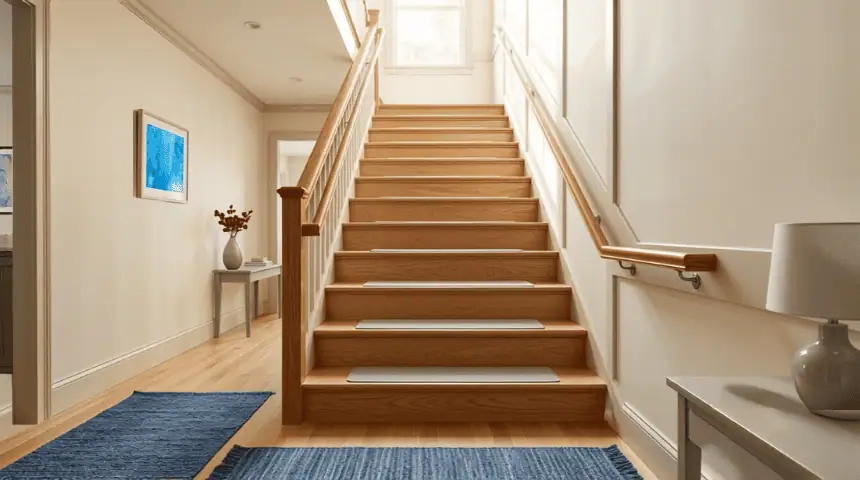
Falls are among the most common and most preventable safety risks in the home. Whether it’s an older parent living independently, an adult recovering from surgery, or someone managing a condition that affects balance or mobility, a handful of small hazards can add up to a serious injury.
A Room-by-Room Home Safety Checklist
A room-by-room walkthrough of the home is one of the most useful things a family can do.
- Entryways and stairs: secure handrails on both sides where possible, make sure lighting is bright enough to see each step clearly, and check that stair treads aren’t worn or slippery.
- Living areas: remove or secure loose rugs, keep walking paths clear of cords and clutter, and arrange furniture to leave a wide, obvious path through the room.
- Bathroom: install grab bars near the toilet and shower, use a nonslip mat, consider a raised toilet seat if needed, and add a nightlight for overnight trips.
- Bedroom: keep a clear path to the bathroom, use a nightlight, and keep a phone within reach of the bed.
- Kitchen: keep often-used items within easy reach so there’s less need to stretch or climb, and use a sturdy step stool with a handrail if one is necessary.
Why Vision Belongs in the Fall Prevention Conversation
Uncorrected vision changes, cataracts, and reduced depth perception can all make it harder to judge the height of a step, notice a cord on the floor, or see a change in flooring from carpet to tile. These changes often happen gradually enough that the person experiencing them doesn’t fully notice, which means an outdated prescription for glasses can go unaddressed for years. Keeping up with recommended eye exams and updating prescriptions when needed is an often-overlooked part of reducing fall risk.
Habits That Reduce Fall Risk Beyond the Physical Space
Home modifications matter, but a few routines can matter just as much, such as:
- Keeping up with recommended eye care and updating eyewear prescriptions as needed.
- Reviewing medications with a doctor for side effects like dizziness or drowsiness is another, since some combinations increase fall risk without anyone realizing it.
- Wearing proper footwear at home can make a bigger difference than most people expect. Loose slippers are a common, avoidable hazard.
- Using a medical alert device can offer real peace of mind for some clients, especially for anyone living alone.
None of these require major changes, but they do require attention.
Quick Home Safety Check
How an In-Home Caregiver Adds a Layer of Safety
A consistent caregiver in the home can make a meaningful difference. They regularly serve as a second set of eyes, someone who can help with transfers and mobility so a client isn’t attempting something risky alone, and someone who notices small changes over time that might otherwise go unmentioned, like new hesitation on stairs or an object left somewhere it doesn’t belong.
That kind of ongoing observation and clear family communication is part of how consistent caregivers reduce stress for both clients and the people who love them. It’s good to have someone paying attention.
Getting Started with a Home Safety Review
A home safety review is part of how Esther’s Home Care builds a care plan from the start. If you’re comparing agencies or trying to figure out how to choose a home care agency, ask how they approach home safety as part of onboarding. It’s a good indicator of how thoroughly they’ll look after your loved one day-to-day.
Esther’s Home Care supports clients across Baltimore City and Baltimore County with consistent caregivers who help keep their homes safer every day. If you’d like a second set of eyes on your home or a loved one’s home, or you’re not sure where to start, give us a call to talk it through.