Beating the Heat: Summer Safety Tips for Older Adults at Home
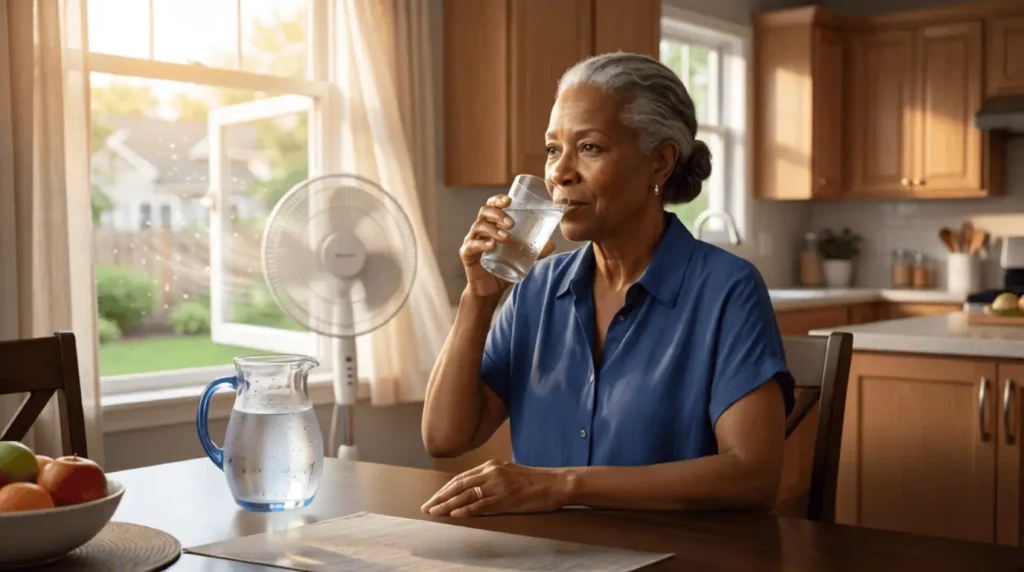
Baltimore summers bring long days, high humidity, and stretches of real heat, and for most of us that just means more sunscreen and lighter clothing. For older adults, people recovering from surgery or illness, or anyone managing a chronic condition, summer heat can be more than uncomfortable. It can be genuinely dangerous. Bodies that don’t regulate temperature as efficiently, medications that affect hydration, and reduced mobility all raise the stakes when the temperature climbs.
A home that feels merely warm during a brief visit may feel very different to someone who spends the entire day there. Add limited mobility, medication side effects, or difficulty remembering to drink, and an ordinary hot day can become a serious concern.
With Baltimore’s hottest and most humid weeks often stretching well into late summer, this is a good time to review what families can do to help a loved one stay safe, cool, and comfortable at home.
Why Summer Heat Hits Some Adults Harder
Not everyone experiences heat the same way. As people age, the body becomes less efficient at cooling itself through sweat, which means heat can build up internally before it’s obvious externally.
Certain medications, including some blood pressure medications and diuretics, can affect hydration levels or increase sensitivity to sun exposure. Chronic conditions like heart disease, diabetes, and respiratory issues make the body work harder to compensate for heat stress. And for adults with limited mobility, something as simple as moving to a cooler room or getting a glass of water without help isn’t always straightforward.
None of this means summer has to be avoided. It just means a bit more attention is worth the effort, especially for someone living alone or recovering from a recent hospital stay.
Signs of Heat Stress and Dehydration to Watch For
Heat-related illness doesn’t always look dramatic at first. Some symptoms can look similar to normal aging or medication side effects, making them easy to miss unless someone is paying close attention day to day.
Early Signs That Need Attention
Dizziness, weakness, headache, nausea, unusual fatigue, reduced urination, rapid heartbeat, or changes in behavior can signal that someone is not handling the heat well. Move them to a cooler place, help them cool down, and seek medical guidance when symptoms persist or worsen. The CDC advises seeking medical care promptly for symptoms of heat-related illness.
When to Call 911
Sudden confusion, fainting, loss of consciousness, or a very high body temperature may signal heat stroke. Call 911 immediately and move the person to a cooler place while waiting for help.
Simple Ways to Keep a Loved One Safe at Home This Summer
Most summer safety comes down to small, consistent habits rather than anything complicated.
- Offer water regularly rather than waiting for someone to say they’re thirsty, unless their healthcare provider has given them specific fluid restrictions.
- Keep the home cool by checking that air conditioning is working properly, closing curtains or blinds during the hottest part of the day, and using fans for circulation without relying on them as the only source of cooling during extreme heat.
- Plan outdoor time, appointments, and errands for the cooler morning or evening hours whenever possible.
- Choose lightweight, breathable clothing and a wide-brimmed hat for any time spent outside.
- Review medications with a doctor or pharmacist to understand whether any of them affect heat tolerance or sun sensitivity.
- Check in more often during heat advisories, even if it’s just a quick phone call or a knock on the door.
Don’t Overlook Protection From the Sun
Staying cool is only part of summer safety. Ultraviolet rays can affect the skin and eyes even on cloudy days, so it helps to use several forms of protection rather than relying on sunscreen alone.
When possible, plan outdoor activities for earlier in the morning or later in the day and choose shaded areas for sitting, walking, or waiting for transportation. Shade reduces direct exposure, but it does not block every UV ray, so protective clothing and sunscreen still matter. Lightweight loose-fitting clothing and a wide-brimmed hat can provide additional coverage while remaining more comfortable in warm weather. Clothing labeled with an ultraviolet protection factor, or UPF, offers added protection.
Baltimore Extreme Heat Resources
During a Code Red Extreme Heat Alert, check local guidance before making plans. Baltimore City residents can call 311 for current cooling-center information. Baltimore County also provides updated hot-weather resources and cooling-center locations through its Department of Health.
Apply a broad-spectrum, water-resistant sunscreen with an SPF of 30 or higher to skin that clothing does not cover, including commonly missed areas such as the ears, neck, hands, and tops of the feet. Reapply it at least every two hours and sooner after swimming or heavy sweating. A caregiver can help make sunscreen part of the routine, especially when limited mobility, arthritis, memory changes, or vision problems make applying it independently more difficult.
Eyes need protection too. Look for sunglasses labeled as blocking 99% to 100% of both UVA and UVB rays, or marked UV400. A wraparound style can offer additional coverage from rays entering at the sides, and pairing sunglasses with a wide-brimmed hat helps shade both the eyes and surrounding skin.
Keeping a hat, sunglasses, and sunscreen together near the door can make sun protection easier to remember. As with hydration and cooling, the most effective summer precautions are often the ones that become part of a familiar daily routine.
A Quick Hot-Weather Check for Families
- Is the air conditioning working, and is the home actually staying cool?
- Is water easy to reach throughout the home?
- Does the person need reminders or physical help getting drinks?
- Have medications and fluid restrictions been discussed with a healthcare professional?
- Is someone checking in consistently during extreme heat?
- Is there a plan if the power or air conditioning stops working?
- Are sunscreen, a hat, and UV-blocking sunglasses easy to find before leaving home?
How Consistent In-Home Care Helps During Summer Months
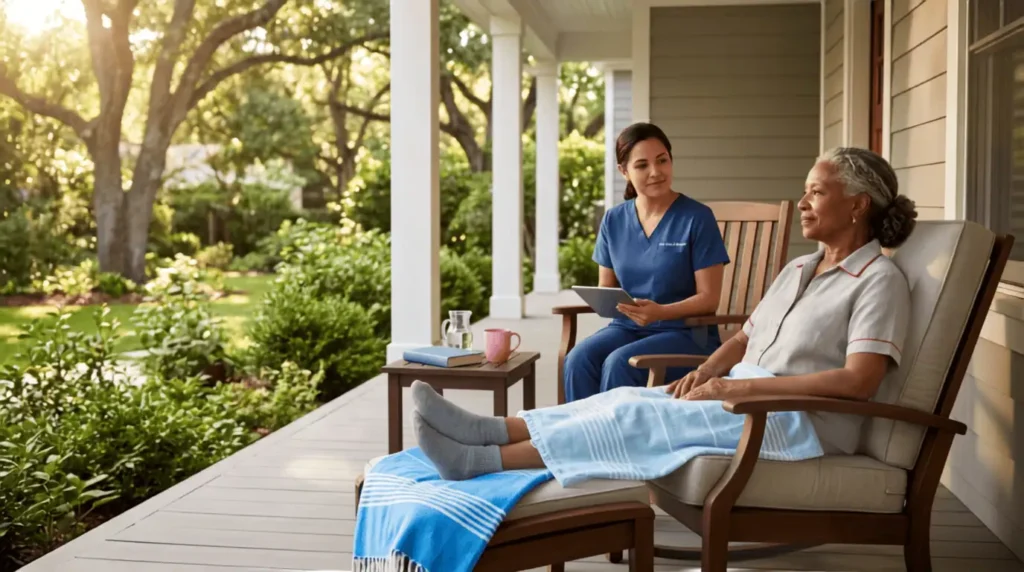
Because a consistent caregiver sees the same client regularly, they may be more likely to notice changes such as unusual confusion, weakness, reduced fluid intake, or a change in appetite. They can encourage routine precautions, adjust nonessential activities, and alert the family when something seems wrong.
That’s what good home care looks like day to day: practical help from a familiar person who pays attention.
When It Might Be Time for More Support at Home
If a loved one seems to struggle a little more with the heat every summer, if they’ve recently come home after a hospital stay and now have less margin for error, or if you simply can’t check in as often as you’d like, it may be worth exploring getting started with in-home care. A brief conversation is often enough to determine whether scheduled support several days a week, longer daily coverage, or 24-hour care makes sense for your family’s situation.
Esther’s Home Care provides consistent, in-home support across Baltimore City, Baltimore County, Catonsville, and Pikesville. Whether the need comes from aging, a chronic condition, a disability, or recovery after a hospital stay, our caregivers help families navigate summer and every season with a little more peace of mind.
If you’re worried about how a loved one will manage the heat or whether they are spending too much time alone, we’re here to talk it through. No pressure, just a conversation.