
How to Get Started With In-Home Care and Why So Many Families Wait Too Long
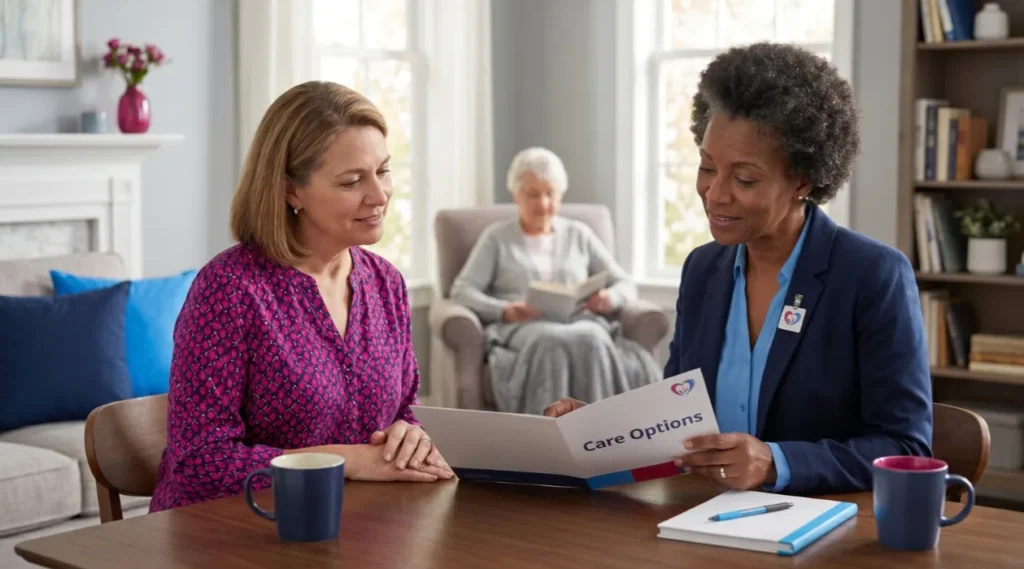
If you’ve been thinking about getting in-home care support for yourself or a loved one but haven’t made the call yet, you’re not alone. Most families wait longer than they should, and the reasons are understandable.
Maybe it feels like admitting something is wrong. Maybe you’re not sure what the process looks like or whether you can afford it. Maybe the person who needs care keeps insisting they’re fine. Or maybe you’re just exhausted and don’t have the bandwidth to navigate one more complicated thing right now.
We hear all of these. And we want to make the path forward as clear as possible.
Why Families Wait and What It Costs
The most common reason families delay getting in-home care is that they’re not sure the situation is “bad enough” yet. There’s a tendency to want to wait until things are clearly unsustainable—until there’s a fall, a hospitalization, or a crisis.
The problem with waiting for a crisis is that crises are much harder to navigate than transitions. Starting care before things reach a breaking point means the person receiving care has time to adjust gradually, build a relationship with their caregiver, and maintain more control over the process. It also means the family caregiver, often a spouse or adult child who has been quietly carrying everything, gets relief before they burn out completely.
In-home care isn’t a last resort. It’s a proactive choice that can extend independence, improve quality of life, and reduce the risk of more serious health events down the road.
What the Process Actually Looks Like
One of the biggest reasons families put off calling is that they imagine the process will be complicated, time-consuming, or pushy. At Esther’s Home Care, it isn’t. Here’s what getting started actually looks like:
Step 1: Have a real conversation
You call us or fill out our contact form. We’ll talk about your situation, your loved one’s needs, your schedule, and any concerns you have. There’s no sales pitch. There’s no pressure to commit to anything. Just a conversation to help us understand whether and how we can help.
Step 2: We build a care plan together
If we’re a good fit, we work with you to put together a care plan that reflects the specific needs, preferences, and schedule of the person receiving care. We also think carefully about caregiver matching: personality, interests, and communication style. The relationship between caregiver and client is the foundation of everything.
Step 3: Care starts — and stays consistent
A dedicated caregiver is matched to your loved one and begins showing up on a consistent schedule. We prioritize continuity by providing the same caregiver, the same routine, the same face at the door. Families receive clear communication throughout, and we’re available when questions or changes come up.
What About Cost?
We know that cost is often part of what holds families back from making the call. We work with private pay, Medicaid, long-term care insurance, and other payment options. We’re happy to have a transparent conversation about what coverage may be available for your situation. The worst outcome is not knowing what’s possible.
What if the Person Doesn’t Want Help?
Resistance to care is extremely common, especially among people who have prided themselves on independence their whole lives. Having a stranger in the home can feel threatening, even when the need for support is clear.
This is one of the reasons we invest so much in caregiver matching. When someone is paired with a caregiver who shares their interests, respects their pace, and treats them as a person rather than a patient, the dynamic shifts. What starts as reluctant acceptance often becomes genuine appreciation and even companionship.
If resistance is a concern for your family, bring it up when you call. We’ve navigated this before, and we can help you think through the right approach.
Serving Adults of All Ages in Baltimore
Esther’s Home Care supports adults of all ages, not just older adults. Whether the need comes from aging, a chronic condition, a disability, or recovery after surgery or a hospital stay, we’re here to help. We’ve been part of the Baltimore community since 1999, and our team includes CNAs, a nurse practitioner, and RN oversight.
We serve Baltimore City and Baltimore County: Catonsville and Pikesville.
You Don’t Have to Wait for a Crisis
If something in this post resonated, if you’ve been carrying more than you should, or if you’ve been quietly watching a loved one struggle, this is your sign to make the call.
It doesn’t commit you to anything. It just starts the conversation. And that’s all it takes to begin.
📞 443-522-1535 | Contact us.